
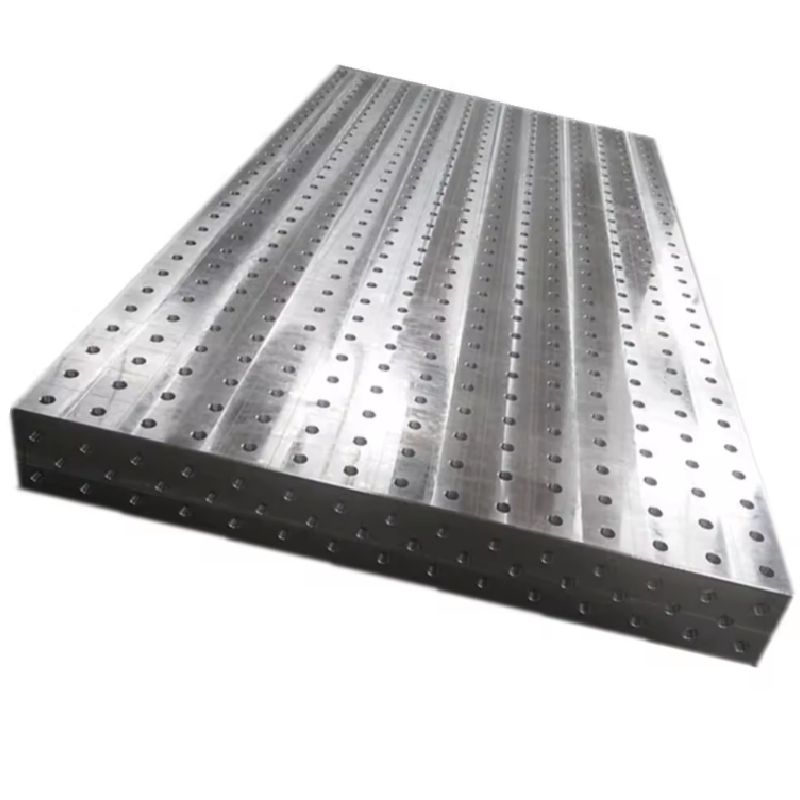
oval bathroom mirror with light
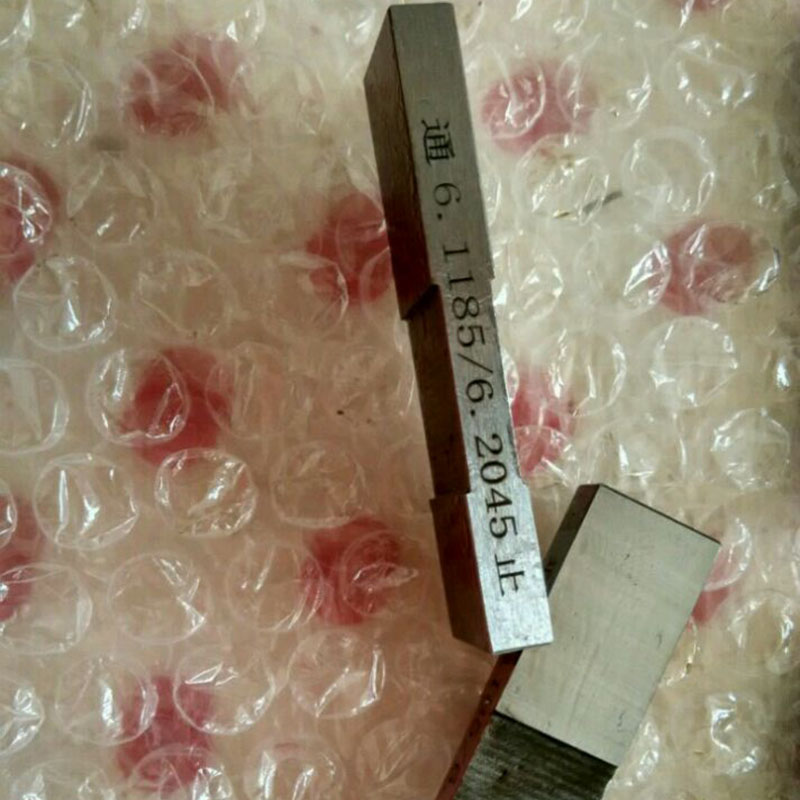
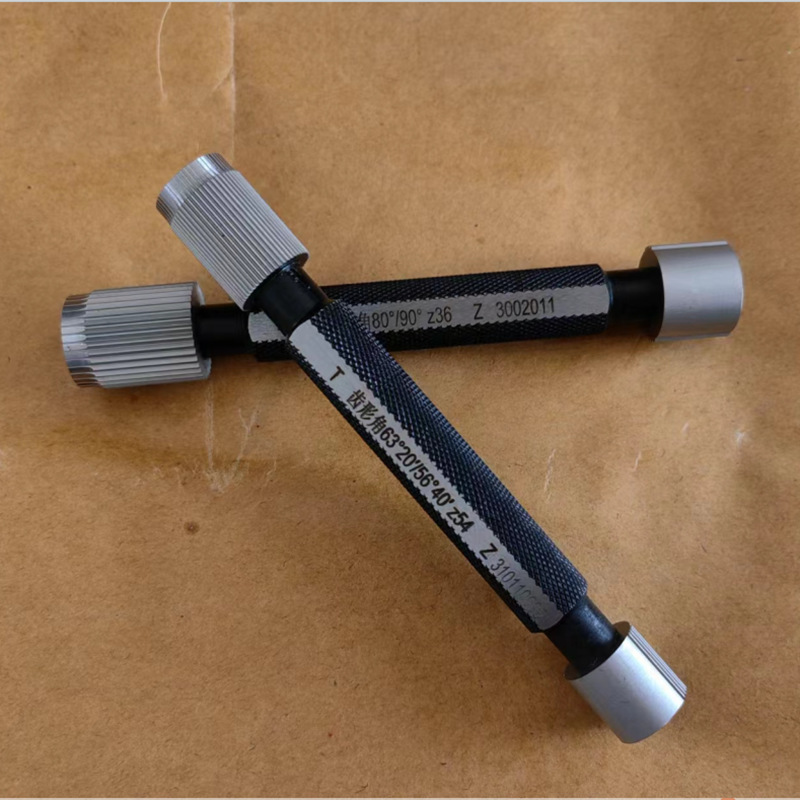
Understanding the Taper Gauge Set A Comprehensive Overview In many industrial and engineering applications, precision measurement is vital. One of the tools that facilitate this accuracy is the taper gauge set. This essential instrument plays a significant role in ensuring components meet specific tolerances and fit requirements, especially in machining and manufacturing. What is a Taper Gauge Set? A taper gauge set is a collection of tapered gauges used to measure the internal and external dimensions of various components. The design of these gauges allows them to fit into narrow openings and irregular shapes, making them invaluable in the inspection process. The gauges typically come in various sizes and tapers to accommodate different applications, providing flexibility to meet the needs of various industrial processes. Features and Components A standard taper gauge set consists of several different pieces, each with a specific taper and measurement range. They are usually made from durable materials, such as stainless steel or hardened steel, to withstand wear and tear in workshop environments. The gauges are often graduated with clear markings, enabling users to read measurements accurately. The tapers in the set are designed to slide into holes or grooves, allowing for a precise determination of the width or depth of the cavity being measured. The taper shape also ensures that the gauge can grip the sides of the hole, which helps in keeping the gauge stable during measurement. Applications of Taper Gauge Sets Taper gauge sets find applications in a wide range of industries, including automotive, aerospace, manufacturing, and construction. In automotive manufacturing, for example, these gauges are crucial for measuring the internal diameters of engine blocks, cylinder heads, and other critical components. Accurate measurements ensure that parts fit together properly, preventing mechanical failures. In aerospace, where tolerances can be incredibly tight and critical to flight safety, taper gauges help engineers verify the dimensions of various aircraft components. Ensuring that parts fit together with precision is vital to maintaining safety standards and performance specifications. Furthermore, in the manufacturing sector, taper gauge sets are used for quality control during the production process. They assist in confirming that produced parts meet the design specifications, thereby reducing waste and ensuring customer satisfaction with the final product. Advantages of Using Taper Gauge Sets taper gauge set The primary advantage of taper gauge sets is their ability to provide precise measurements in hard-to-reach places. Their tapered design allows them to access areas where traditional measurement tools may not fit, ensuring that no aspect of the part is overlooked. Moreover, taper gauges can help improve efficiency in both measurement and inspection processes. Traditional methods of measurement may require multiple tools or techniques, while a taper gauge set can often accomplish the task with a single tool. This not only saves time but also reduces the potential for human error in the measurement process. Best Practices for Using Taper Gauge Sets To maximize the effectiveness of a taper gauge set, users should follow a few best practices 1. Calibration Regularly check and calibrate the gauges to ensure accuracy. This is especially important in environments where measurements are critical. 2. Cleanliness Keep the gauges clean and free from debris or contaminants, as these can affect measurement accuracy. 3. Gentle Handling Always handle the gauges with care to prevent bending or damage, which can lead to inaccurate measurements. 4. Correct Selection Use the appropriate gauge for the specific measurement task. Every gauge has specific sizes and tapers, so selecting the right one is crucial for obtaining accurate results. 5. Record Measurements Document readings accurately for quality assurance and future reference, helping to track changes and maintain consistency in manufacturing processes. Conclusion Taper gauge sets are indispensable tools in various industries that require precise measurements of internal and external dimensions. Their ability to access tight spaces and provide accurate readings makes them a vital asset for quality control and engineering processes. By understanding the features, applications, and best practices associated with taper gauge sets, professionals in engineering and manufacturing can enhance their measurement accuracy and ensure the success of their projects. As technology advances, the design and functionality of taper gauge sets may continue to evolve, promising even greater precision and utility in the future.
about
oval bathroom mirror with light
Medición de Hilos La Importancia del Calibre de Hilo El calibre de hilo, conocido en inglés como thread gauge, es una herramienta fundamental en la industria textil y en diversos campos de la mecánica, la construcción y la manufactura . Su principal función es medir el grosor de los hilos y determinar la talla adecuada para garantizar la calidad y la precisión en el trabajo. En este artículo, exploraremos la importancia del calibre de hilo, su funcionamiento y sus aplicaciones en diferentes sectores. Primero, es importante entender qué es un calibre de hilo. Se trata de un dispositivo que permite medir el diámetro de los hilos o roscas. Este instrumento puede presentarse en diferentes formas, desde plantillas sencillas hasta calibradores más complejos que ofrecen medidas precisas. Los calibres de hilo permiten no solo medir el grosor, sino también identificar el tipo de hilo adecuado que se debe utilizar para cada aplicación específica. La correcta utilización de un calibre de hilo es esencial en la industria textil, donde la calidad de los productos finales depende en gran medida de la elección del hilo adecuado. En la confección de prendas, por ejemplo, utilizar un hilo que no sea del grosor correcto puede resultar en costuras débiles o en un acabado poco estético. Un calibre de hilo, por lo tanto, ayuda a los fabricantes a seleccionar el hilo correcto que se adapte a las necesidades del diseño y la resistencia requerida. thread gauge En el ámbito de la mecánica, el calibre de hilo es igualmente relevante. Al trabajar con tornillos, tuercas y otros elementos de fijación, es fundamental que las roscas coincidan para garantizar un ensamblaje seguro y funcional. Un calibre de hilo puede ayudar a determinar la talla y el paso de las roscas, lo cual es vital para evitar problemas de alineación y resistencia en estructuras metálicas y equipos. Además, el uso del calibre de hilo se extiende también a la carpintería y la construcción. En estos campos, se requiere una gran precisión en las medidas para asegurar que todas las partes encajen correctamente. La elección del hilo adecuado para hacer uniones o para la instalación de componentes arquitectónicos puede influir en la seguridad y durabilidad de una construcción. El desarrollo de nuevas tecnologías ha llevado a la creación de calibres de hilo más avanzados, que hacen uso de sistemas digitales para ofrecer lecturas aún más precisas. Estos dispositivos pueden almacenar datos, realizar conversiones de unidades y facilitar la verificación de medidas en tiempo récord. Sin embargo, la esencia del calibre de hilo sigue siendo la misma asegurar que se está utilizando el material correcto para cada aplicación. En conclusión, el calibre de hilo es una herramienta esencial en diversas industrias, que desempeña un papel crucial en la selección de hilos y en la medición de roscas. Su uso adecuado no solo mejora la calidad de los productos finales, sino que también contribuye a la seguridad y la eficiencia en el trabajo. A medida que la tecnología avanza, es probable que veamos más innovaciones en este ámbito, pero el principio básico de medir y asegurar el grosor correcto del hilo seguirá siendo una necesidad fundamental en la fabricación y la construcción. Para cualquier profesional que trabaje con hilos o elementos de fijación, contar con un calibre de hilo es, sin duda, una inversión invaluable.
-

High quality industrial productsagement

High quality industrial products
View Details -

Meet the diverse needs of customers

Meet the diverse needs of customers
View Details -

Strict quality control

Strict quality control
View Details -

Top raw materials

Top raw materials
View Details -

Trusted supplier

Trusted supplier
View Details
Our application

news and information
Y Type Strainer Filters for Efficient Fluid Filtration Solutions
Understanding Y-Type Strainer Filters A Comprehensive Overview In various industrial applications, e
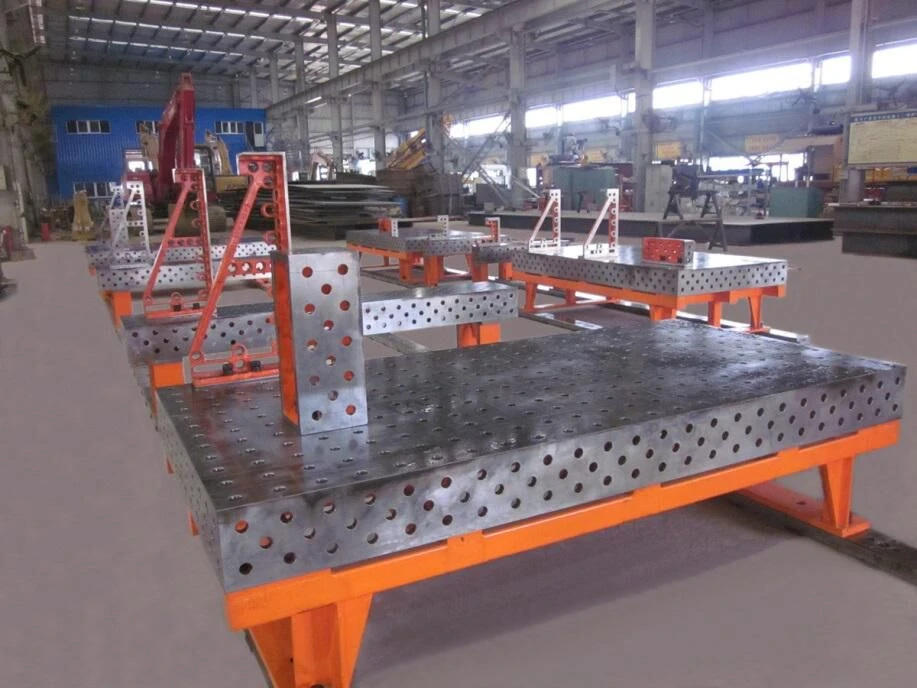
use of parallel ruler
The Use of Parallel Rulers An Essential Tool in Precision Measurement In various fields ranging from
water valve replacement
Water Valve Replacement Ensuring Optimal Performance in Your Plumbing System Water valves play a cri
 English